GMUS · Learning Stages
One path.
Three stages.
Continuous development.
From first grade to graduation, students move gradually from discovery to understanding, and from thinking to conscious responsibility.
01 · Development Path
Four phases.
One continuous process.
“Thinking and Life” deepens with age: it begins with self-awareness and leads toward personal, professional, and moral responsibility.
Who am I?
Self-awareness, emotions, friendship, truth, choice, and a first understanding of responsibility.
Why does it happen?
Cause and effect, purpose, work, free choice, duty, and dignity.
How do I justify my view?
Argument, truth, dialogue, law, society, and reflection on the meaning of life.
Which path do I choose?
Decision-making, risk, time, leadership, profession, vocation, and responsibility for the future.
I
Primary Stage
Discovery
and understanding.
Grades I–VI
The primary stage focuses on the consistent development of self-awareness, emotional awareness, and cause-and-effect thinking.
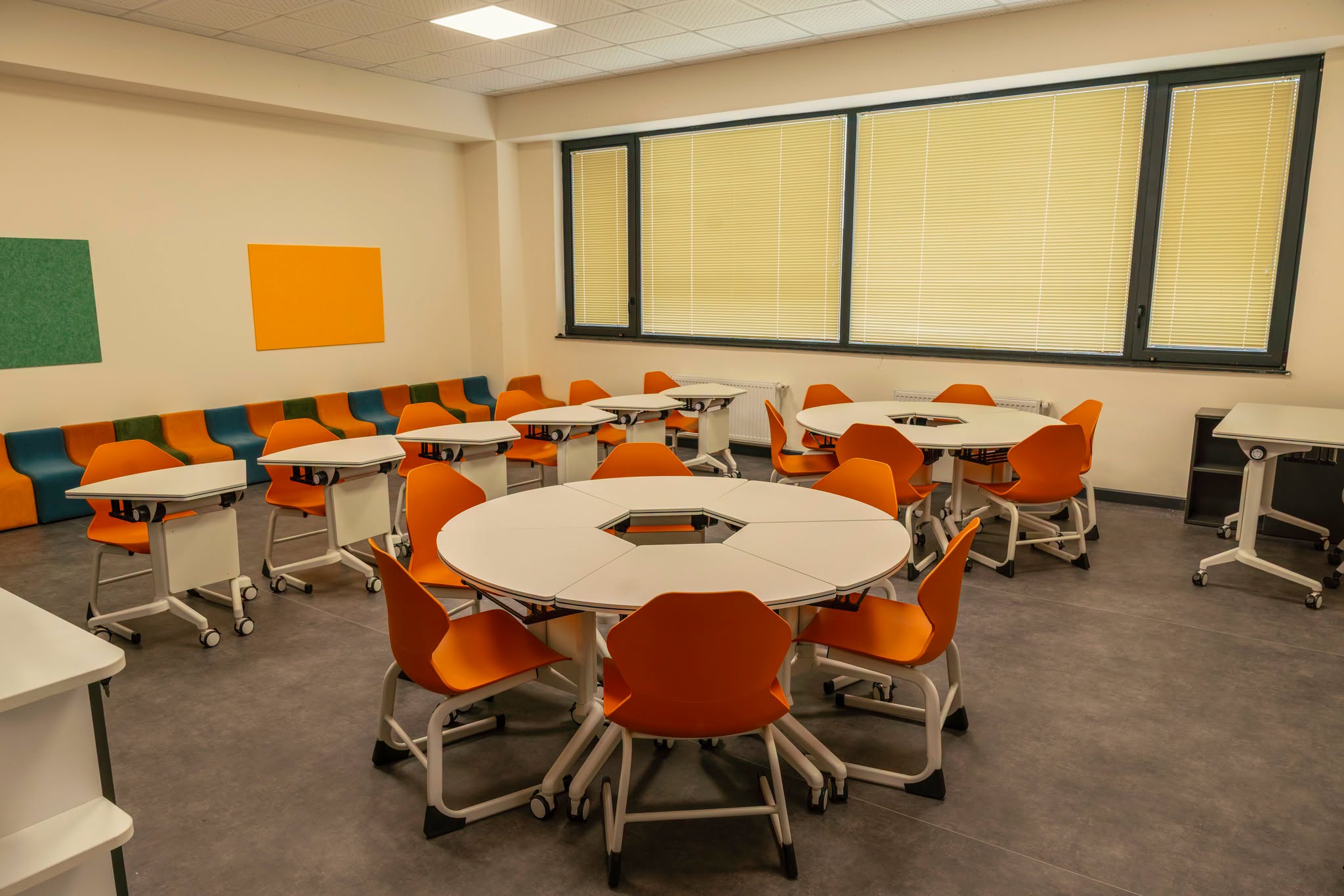
In grades I–IV, the focus is on self-awareness, family, friendship, truth, emotions, choice, rules, and fairness. In grades V–VI, this foundation expands to purpose, work, free choice, duty, and dignity.
Self-awareness“Who am I?” — a first understanding of oneself, emotions, and relationships.
ChoiceThe meaning of right action, promises, rules, and fairness.
Logical connectionsCause and effect, goal-setting, and understanding the learning process.
ValuesWork, duty, trust, responsibility, and dignity.
II
Basic Stage
Thinking
and dialogue.
Grades VII–IX
At the basic stage, the main focus is on argumentation, critical thinking, listening to others, and a systematic understanding of freedom and responsibility.
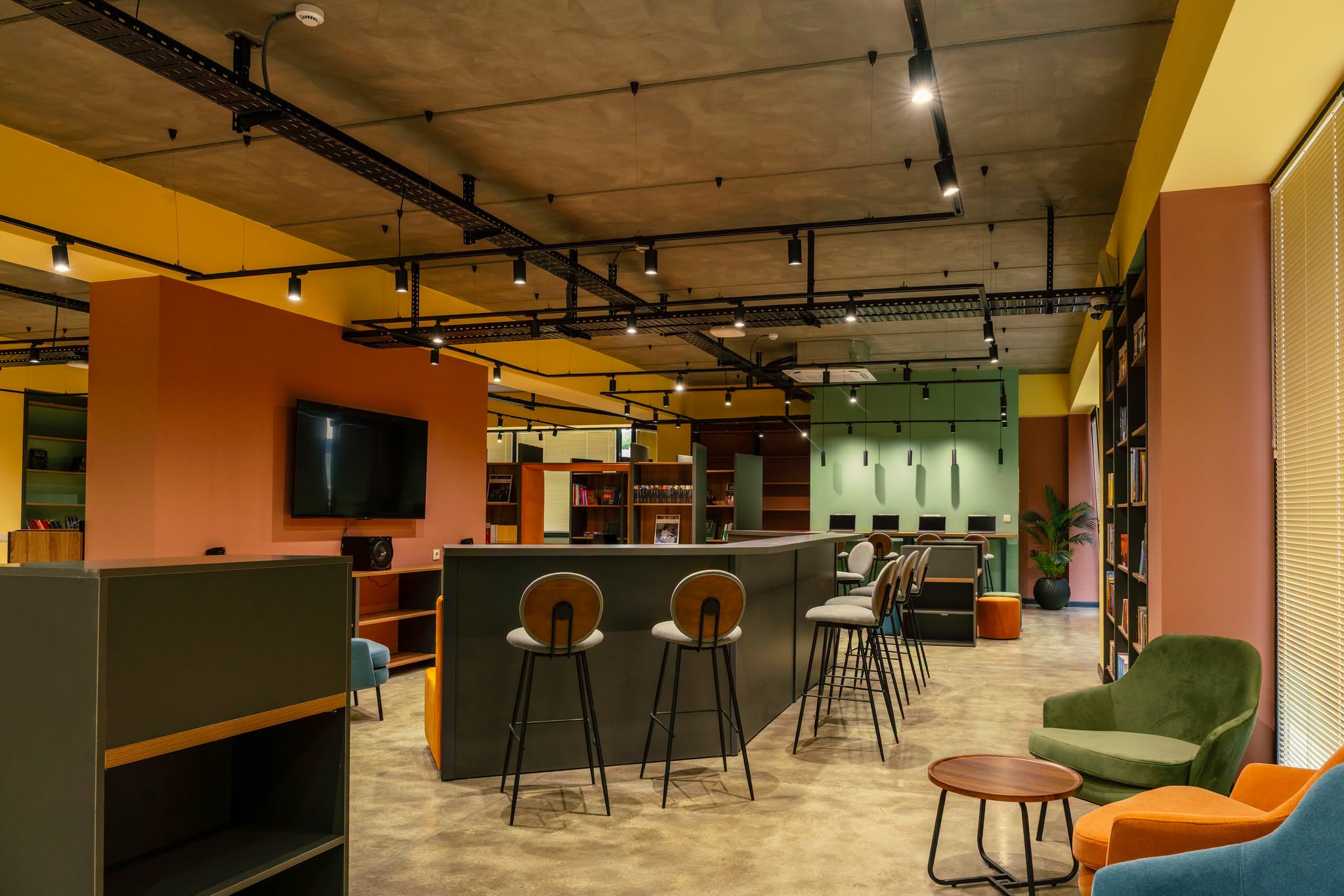
In grades VII–IX, students learn to justify ideas, distinguish truth from argument, develop a culture of social dialogue, understand law and society, and gradually engage with questions about the meaning of life.
ArgumentForming and supporting an idea while listening to other viewpoints.
Freedom and lawRights, power, society, and responsibility in relation to rules.
Culture of dialogueFoundations of debate, respect for different opinions, and reasoned discussion.
Meaning of lifeThe person, choice, happiness, success, and the meaning of life.
III
Upper Secondary Stage
Choice
and responsibility.
Grades X–XII
The upper-secondary stage prepares students for independent decisions — taking responsibility for their time, goals, career choices, and future.
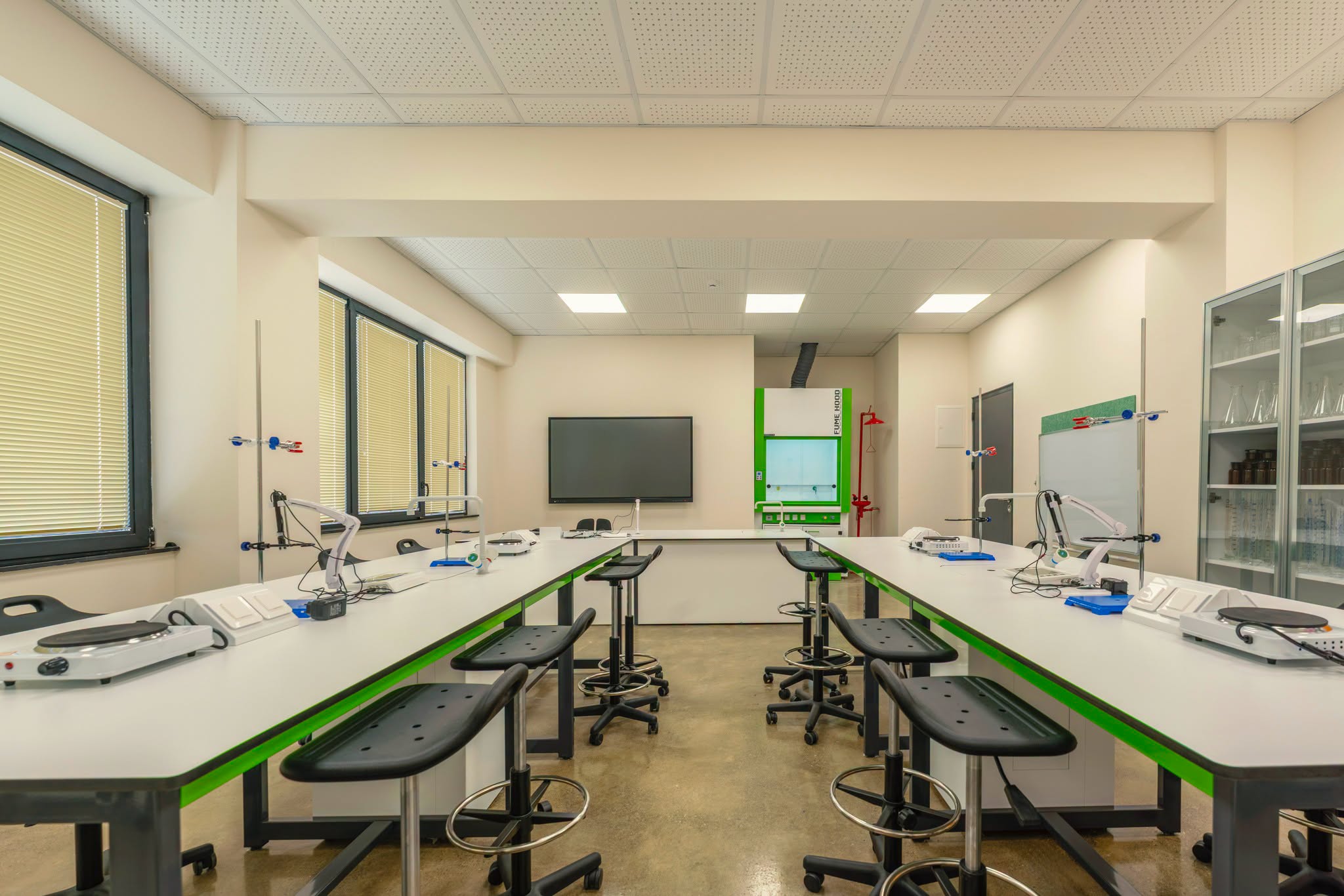
In grades X–XII, the program gradually covers risk, time management, goal-setting, leadership, profession and vocation, creating value, and a conceptual view of one’s life path.
Decision and riskAnticipating the consequences of a choice and taking responsibility.
Goals and timePlanning, priorities, and understanding the structure of one’s own life.
Leadership and societyResponsibility toward country, society, and others.
Profession and vocationForming one’s own path, creating value, and developing a vision for the future.
05 · Strategic Subject
“Thinking and Life”
at every stage.
The subject combines philosophy, logic, ethics, aesthetics, decision-making, and analysis of responsibility in age-appropriate forms.
Foundational questions
Who am I? What do I feel? What is friendship? Why should I tell the truth? What does responsibility mean?
Reasoning and argument
What is an argument? Truth? Law? Society? How do I listen to others and justify my own position?
Life choices
How do I make decisions? What is risk? Leadership? Profession and vocation? What do I want to create in life?
In the school’s vision, this direction is intended not only as theoretical knowledge but as part of the student’s practical life experience.
06 · Final Orientation
I know.
I think.
I act.
The learning stages are not isolated phases — together they form a continuous path of development toward a free, thoughtful, and responsible person.
01
I knowKnowledge, facts, concepts, logic, and intellectual discipline.
02
I thinkCritical thinking, choice, creativity, and expressing one’s own ideas.
03
I actIndependent decision-making, action, and responsibility for outcomes.
Discover the GMUS educational model.
Next, explore the school concept, team, or official documents.